why do blood glucose levels need to be regulated Glucose hormones insulin biology endocrine glucagon csus
Low blood sugar, or hypoglycemia, can lead to unpleasant symptoms such as headache, confusion, and even loss of consciousness. High blood sugar, or hyperglycemia, can cause fatigue, blurred vision, and increased thirst. That’s why it’s so important for individuals with diabetes to keep a close eye on their blood glucose levels. Here are some helpful resources for understanding blood glucose levels and managing them effectively.
Blood Glucose Levels Chart
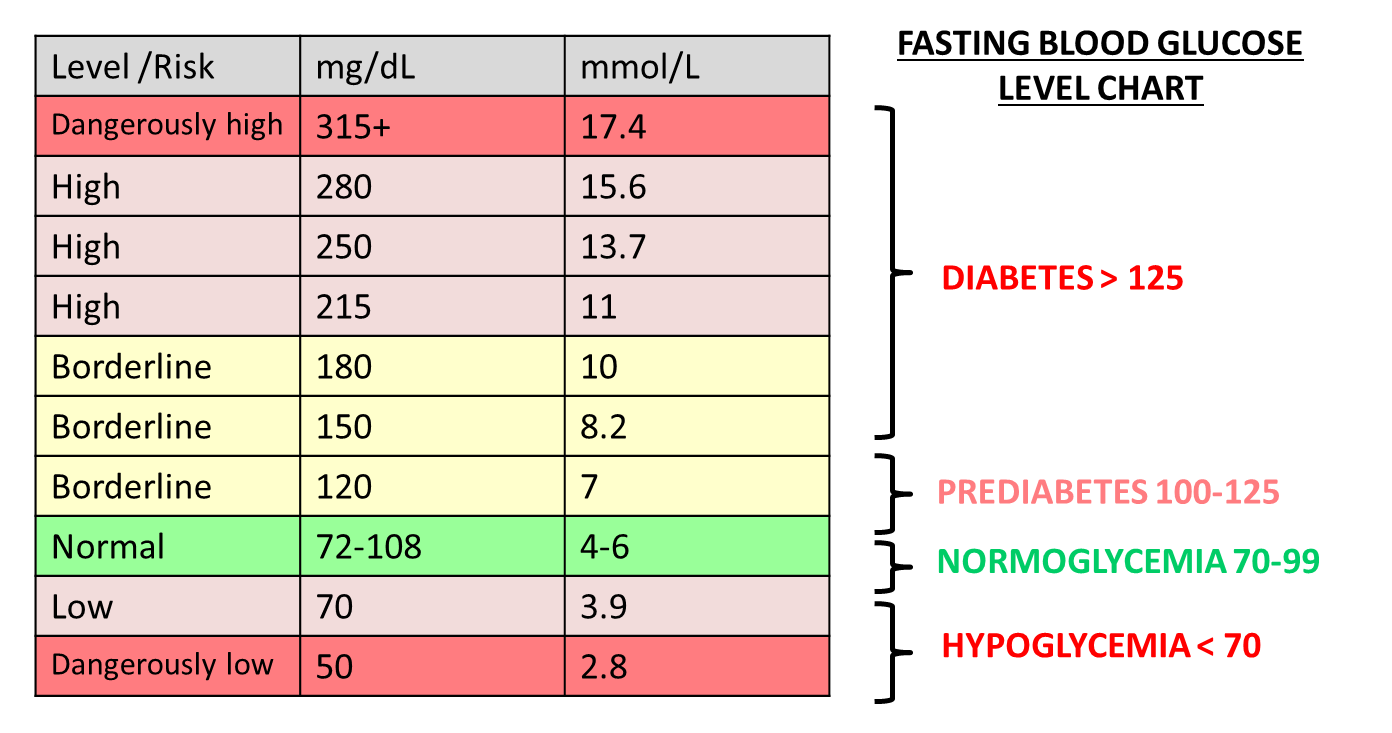
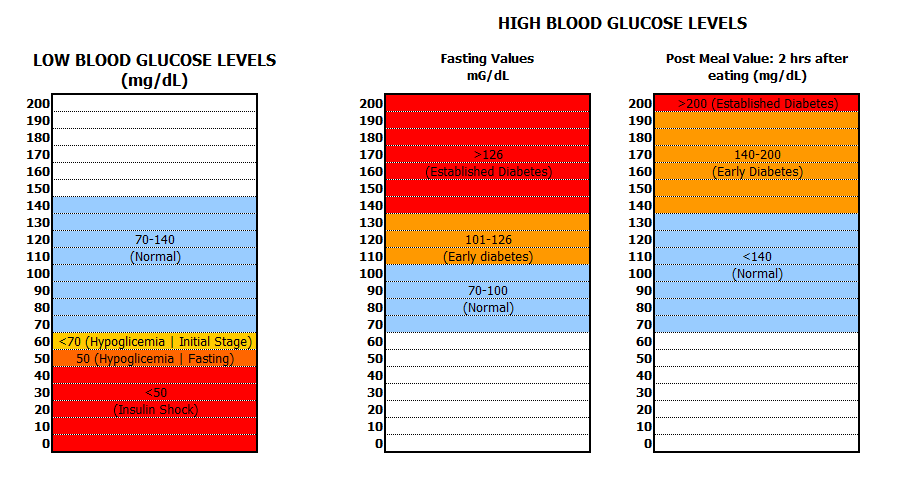 This chart provides a visual representation of normal blood glucose levels, as well as levels that are considered too low (hypoglycemia) or too high (hyperglycemia). It’s important to familiarize yourself with these ranges so you know when to take action if your blood glucose levels start to drift outside of the normal range. Remember, everyone’s individual blood glucose targets may vary depending on factors such as age, weight, and overall health status.
Control of Glucose Levels
 This image provides a helpful overview of the different factors that can impact an individual’s blood glucose levels. Factors such as diet, exercise, and medication can all play a role in blood glucose management. It’s important to work closely with your healthcare provider to develop a personalized treatment plan that takes all of these factors into consideration.
In addition to monitoring blood glucose levels and following a personalized treatment plan, there are other steps individuals with diabetes can take to manage their condition effectively. These include: Dietary Changes
Making changes to your diet can play a big role in blood glucose management. For example, individuals with diabetes may benefit from reducing their intake of refined sugars and simple carbohydrates, which can cause blood glucose levels to spike. Instead, focus on consuming a balanced diet that includes complex carbohydrates, lean proteins, and healthy fats.
Regular Exercise
Regular exercise can also help individuals with diabetes manage their blood glucose levels. Physical activity can help to increase insulin sensitivity, which can lead to better glucose control. Aim for at least 30 minutes of moderate exercise most days of the week.
Stress Management
Stress can have a negative impact on blood glucose levels. That’s why it’s important to find healthy ways to manage stress such as yoga, meditation, or deep breathing exercises. Additionally, getting adequate sleep can help to minimize stress and improve overall glucose control.
By following these tips and working closely with your healthcare provider, you can effectively manage your diabetes and keep your blood glucose levels in check. Remember, every step you take towards better glucose control is a step towards better overall health and well-being. If you are looking for Coconut Sweetener: Blood Glucose Levels Chart you’ve came to the right web. We have 5 Images about Coconut Sweetener: Blood Glucose Levels Chart like #113 The control of blood glucose | Biology Notes for A level, Prime Global |u00 Medical Communications Agency and also Blood Glucose Levels Chart. Here it is:
Coconut Sweetener: Blood Glucose Levels Chart
coconutsweetener.blogspot.comblood levels chart low sugar glucose high diabetes level hypoglycemia normal canada symptoms range drop eating reactive pdf coconut sweetener
Blood Glucose Levels Chart
 pharmwarthegame.blogspot.comblood glucose levels chart sugar diabetes high too
#113 The Control Of Blood Glucose | Biology Notes For A Level
 biology4alevel.blogspot.comblood glucose control summary homeostasis level cycle sugar liver concentration does low insulin fuel loop break feedback physiology regulate eating
Prime Global |u00 Medical Communications Agency
primeglobalpeople.comglucose levels control diabetes blood global body liver physical release stress prime worried should regulates increase
Pin On Awesome Biology Resources
 www.pinterest.comglucose hormones insulin biology endocrine glucagon csus
Pin on awesome biology resources. Coconut sweetener: blood glucose levels chart. Blood glucose levels chart